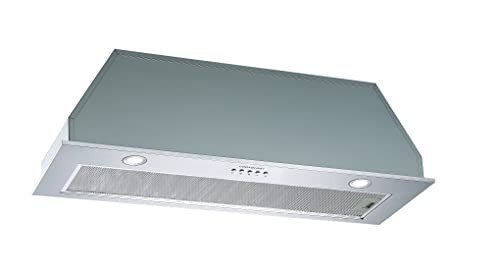
Range Hood
Add a reviewOverview
-
Founded Date October 7, 1985
-
Sectors Sales
-
Posted Jobs 0
-
Viewed

Company Description
10 Kitchen Extractor Fan-Related Projects To Extend Your Creativity
The Essential Guide to Kitchen Extractor Fans: Everything You Need to Know
Kitchen extractor fans play a vital role in keeping a tidy, safe, and pleasant Cooking Hood environment. They assist get rid of smoke, odors, grease, and heat from the kitchen, boosting air quality and making cooking a more satisfying experience. This detailed guide will look into the types, advantages, installation, and maintenance of kitchen extractor fans, as well as provide responses to frequently asked concerns.
What is a Kitchen Extractor Fan?
A kitchen extractor fan, typically referred to as a range hood or Range Chimney Cooker Hood Chimney Hood (116.211.150.26) vent hood, is an appliance created to remove air-borne grease, smoke, heat, and smells generated during cooking. By improving ventilation, these fans assist prevent the buildup of damaging particulates and keep kitchens comfortable and fresh.
Types of Kitchen Extractor Fans
There are different types of kitchen extractor fans, each developed to fulfill various needs and choices. Below is a table summarizing the most typical types:
| Type | Description | Pros | Cons |
|---|---|---|---|
| Wall-mounted | Set up straight on the wall above the stove. | Space-saving and stylish | May require more installation adjustments |
| Under-cabinet | Installed under kitchen cabinets, above the cooking surface area. | Makes use of existing space | Minimal in size, might not be as effective |
| Island | Suspended above a kitchen island or peninsula. | Perfect for open kitchens and islands | Normally more expensive |
| Downdraft | Retractable fans that rise from the counter top when in usage. | Excellent for modern kitchens | Restricted suction power |
| Ceiling-mounted | Integrated into the ceiling, drawing air away from the cooking area. | Great for spaces with high ceilings | Installation can be complex |
| Mobile/Portable | Freestanding systems that can be moved as required. | Versatile and easy to move | Less powerful; might not vent outdoors |
Advantages of Kitchen Extractor Fans
Purchasing a quality kitchen extractor fan offers a number of benefits:
- Improves Air Quality: By getting rid of smoke, steam, and smells, these fans make sure the air in your kitchen stays fresh and healthy.
- Decreases Grease Buildup: Extractor fans record air-borne grease, avoiding it from settling on surface areas and reducing cleansing time.
- Improves Comfort: By removing heat and steam, extractor fans assist keep a comfortable cooking environment.
- Boosts Kitchen Safety: Reducing moisture levels alleviates the danger of mold development and provides a more secure cooking area.
- Visual Appeal: Many extractor fans come in trendy styles that can boost the general appearance of your kitchen.
Setup of Kitchen Extractor Fans
Appropriate setup is crucial for the efficient functioning of kitchen extractor fans. Here’s a fundamental summary of the installation process.
Step-by-Step Guide to Installation
- Step the Space: Determine the width of your cooktop and select a fan that fits appropriately.
- Select a Location: For wall-mounted fans, select an area that allows the fan to be at least 24 inches above the stovetop for optimum performance.
- Cut Holes for Ductwork: If venting externally, cut proper holes for duct installation in walls or ceilings.
- Set Up Mounting Bracket: Follow the manufacturer’s guidelines to secure the installing bracket to the wall or cabinet.
- Attach the Fan: Fix the fan system to the mounting bracket, guaranteeing it is level and protect.
- Link Ductwork: If venting outside, link the ductwork to the fan and seal any spaces to prevent air leakages.
- Electrical Connections: For electrical fans, make sure to securely link electrical circuitry according to regional codes.
- Check the Fan: Once set up, turn on the fan to evaluate its operation and effectiveness.
It’s often recommended to employ an expert for installation, especially for more complex setups.
Upkeep of Kitchen Extractor Fans
Regular upkeep is vital to guarantee the longevity and efficacy of kitchen extractor fans. The list below steps outline crucial upkeep practices:
Maintenance Tips
- Clean the Filters: Most extractor fans have grease filters that should be cleaned frequently. Some are dishwasher-safe, while others might require to be handwashed.
- Inspect Ducts: Inspect the external and internal ducts for clogs or buildup. Ensure they are clear and not blocked.
- Wipe Down Surfaces: Regularly tidy the outside and interior surfaces of the fan to avoid grease accumulation.
- Listen for Noises: If the fan begins to make unusual sounds, it could signify a problem with the motor or blades that might need to be assessed.
- Arrange Professional Servicing: Every couple of years, think about having a professional service your extractor fan to make sure all components are working optimally.
FREQUENTLY ASKED QUESTION
1. How do I know what size extractor fan I need?
The size of the extractor fan need to match the width of your cooking surface area. A general guideline is having at least 600 CFM (cubic feet per minute) for effective removal of heat and smoke.
2. Can I utilize an extractor fan without ducting?
Yes, some extractor fans are developed for recirculation, utilizing charcoal filters to clean the air before launching it back into the kitchen.
3. How frequently should I clean my extractor fan?
It’s suggested to clean the grease filters every 1-3 months, depending upon usage, and check the rest of the unit every 6 months.
4. Do I need a professional to set up an extractor fan?
While DIY installation is possible, hiring a professional guarantees proper placement, secure setup, and compliance with regional building codes.
5. What is the life-span of a kitchen extractor fan?
With routine maintenance, a well-made extractor fan must last anywhere from 10 to 15 years.
Kitchen extractor fans are an important appliance that improves air quality, comfort, and cleanliness in the cooking area. Understanding the numerous types, advantages, and upkeep requirements can help house owners make informed decisions. Whether planning to refurbish or update an existing kitchen, buying a quality extractor fan can significantly enhance not simply the cooking experience, but overall kitchen environment as well. Eventually, selecting the ideal extractor fan requires a thoughtful factor to consider of area, style, and performance customized to private requirements.