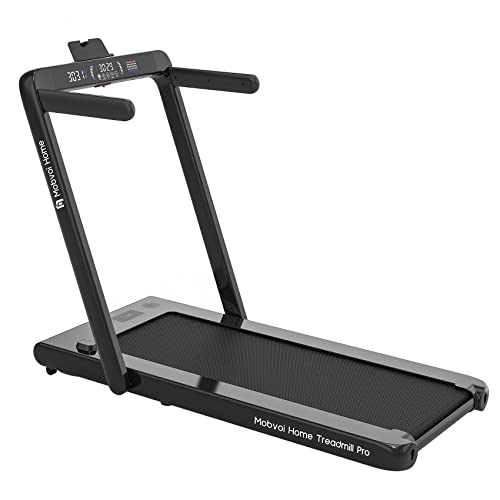
Non Powered Treadmill
Add a reviewOverview
-
Founded Date June 12, 1969
-
Sectors Marketing
-
Posted Jobs 0
-
Viewed 2

Company Description
What’s The Current Job Market For Non Motorized Treadmill Professionals Like?
The Benefits and Considerations of Non-Motorized Treadmills
Worldwide of fitness devices, treadmills have long been a staple for anyone aiming to improve cardiovascular health, burn calories, and enhance general fitness levels. While motorized treadmills dominate the marketplace, non-motorized treadmills have acquired traction in recent years. This post checks out the features, benefits, and factors to consider of using non-motorized treadmills, using a thorough guide for those considering this unique exercise option.
What is a Non-Motorized Treadmill?
A non-motorized treadmill, typically referred to as a Manual Walking Treadmill treadmill, operates without an electric motor. Rather, it counts on the user’s effort to move the belt. This design allows users to set their pace, offering a versatile workout experience that can be customized to private physical fitness levels.
Key Features of Non-Motorized Treadmills
| Function | Description |
|---|---|
| Self-Powered | Utilizes the user’s motions to power the belt. |
| Adjustable Incline | Typically comes with adjustable slope settings. |
| Compact Design | Normally smaller sized and lighter, making them much easier to keep. |
| Resilience | Built with less electronic elements, reducing upkeep requirements. |
| Eco-Friendly | Needs no electricity, making them a sustainable alternative. |
Advantages of Non-Motorized Treadmills
While both motorized and non-motorized treadmills have their benefits, the latter offers distinct benefits that interest various fitness lovers. Here are some of the essential benefits of non-motorized treadmills:
1. Enhanced Caloric Burn
Non-motorized treadmills require users to actively propel the belt, which can result in a greater calorie burn compared to their motorized equivalents. According to a study conducted by the Journal of Sports Sciences, people utilizing non-motorized treadmills increased their energy expenditure by approximately 30% throughout workouts.
2. Greater Muscle Engagement
The self-propelled nature of non-motorized treadmills implies users engage more muscles, consisting of leg, core, and stabilizer muscles. This engagement can lead to improved strength and endurance in time.
3. Custom-made Workouts
Without pre-programmed speeds or incline settings determined by a motor, users have complete control over their workout’s intensity. This versatility enables users to tailor workouts to their particular objectives, whether that suggests including sprints, intervals, or steady-state cardio.
4. Increased Stability and Balance
Using a non-motorized treadmill promotes better balance and stability. As users need to preserve their stride to keep the belt moving, they develop better proprioception, which can translate into enhanced motion skills in other activities.
5. Very Little Maintenance Required
Without any electrical components, non-motorized treadmills require substantially less maintenance than motorized models. Users may require to occasionally lube the belt or tighten the frame, however general maintenance is minimal.
Considerations When Choosing a Non-Motorized Treadmill
While non-motorized treadmills offer several benefits, there are likewise factors to consider to bear in mind before making a purchase.
1. Preliminary Learning Curve
Due to their special mechanics, some users may experience a knowing curve in adapting to a non-motorized Walking Treadmill. Initially, workouts may feel more tough than on a motorized treadmill, which can prevent beginners.
2. Restricted Features
Non-motorized treadmills generally use less features compared to motorized options, such as integrated exercises, heart rate monitors, and advanced tracking abilities. Users who want these bonus may require to look for higher-end designs or be prepared to jeopardize on technology.
3. Lower Top Speeds
Because the user sets the speed, non-motorized treadmills might not accomplish the exact same top speeds as motorized ones. Athletes training for particular Manual Running Machine occasions might find this constraint limiting.
4. Physical Limitations
People with particular physical limitations or injuries may discover it more tough to use a non-motorized treadmill, such as those battling with balance or coordination. It’s necessary to talk to a healthcare expert before starting any brand-new exercise routine.
Often Asked Questions (FAQ)
Q1: Are non-motorized treadmills suitable for all fitness levels?
A1: Yes, non-motorized treadmills can cater to all physical fitness levels. Beginners can begin gradually and slowly increase strength, while experienced users can integrate high-intensity interval training.
Q2: How much space do I need for a non-motorized treadmill?
A2: Non-motorized treadmills are usually more compact than motorized ones, however it’s necessary to inspect the specs of the model you are considering. Objective for a space that permits movement and the possibility of adjusting incline.
Q3: Can I utilize non-motorized treadmills outdoors?
A3: While a lot of non-motorized treadmills are created for home use, some designs can be used outdoors. Nevertheless, check the producer’s requirements and warranty to guarantee viability for outdoor conditions.
Q4: How do I keep a non-motorized treadmill?
A4: Maintenance includes periodically lubricating the belt, inspecting for loose bolts, and cleaning up the surface. Routine assessments will assist lengthen the treadmill’s life-span.
Q5: How do non-motorized treadmills compare in rate?
A5: Non-motorized treadmills often range from cost effective to mid-range costs, making them available to a broader audience. Costs can vary based upon brand, features, and building quality.
Non Motorized Treadmill-motorized treadmills use a special and efficient workout experience for fitness lovers of all levels. With advantages such as boosted calorie burn, increased muscle engagement, and very little maintenance requirements, they can be an important addition to any home fitness center setup. However, prospective users must consider their physical fitness objectives, choices, and any physical constraints before deciding. By weighing the pros and cons detailed in this article, individuals can make an informed option that aligns with their fitness and health goals.