Falschgeld Shop Online
Add a reviewOverview
-
Founded Date June 16, 1927
-
Sectors Finance
-
Posted Jobs 0
-
Viewed 3

Company Description
10 Undisputed Reasons People Hate Online Shop For Counterfeit Money
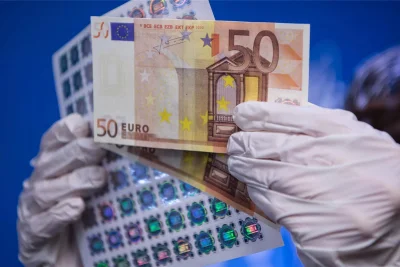
The Dark Side of E-Commerce: The Rise of Online Shops for Counterfeit Money
In an era where online shopping has become the norm, a disturbing trend has actually emerged: the online market for counterfeit money. This illicit trade has actually discovered a considerable foothold in the digital world, 100% Echtes Falschgeld where privacy, ease of gain access to, and an absence of rigid policies have led the way for a brand-new breed of wrongdoers to operate. This blog site will dig into the mechanics of online counterfeit money shops, the threats included, and what governments and people can do to fight this problem.
Comprehending Counterfeit Money
Counterfeit money refers to fake currency that is made to resemble authentic currency. The process typically includes advanced printing strategies, and the quality of counterfeit bills has actually improved throughout the years, making them more difficult to identify. Let’s take a look at some key truths:
| Aspect | Details |
|---|---|
| Definition | Fake currency developed to impersonate legitimate money. |
| Production Methods | Advanced printing innovation, typically using top quality paper. |
| Common Currencies | U.S. Dollar, Euro, and British Pound, amongst others. |
| Detection Techniques | Watermarks, security threads, UV light checks, and tactile functions. |
The Online Market for Counterfeit Currency
Expansion of Websites
The web has actually given increase to a clandestine marketplace where counterfeit money can be purchased and offered with relative ease. Many sites run in privacy, utilizing cryptocurrency to sidestep standard banking systems and make deals harder to trace. These platforms might market top quality counterfeit bills, boasting of their capability to pass as real currency.
How It Works
- Browsing: Users can browse various online stores that concentrate on counterfeit currency.
- Order Placement: After selecting the preferred expenses, consumers position an order, typically paying in Bitcoin or other cryptocurrencies.
- Shipment: Orders are normally shipped inconspicuously, in some cases packaged with legal products to prevent detection.
- Evaluating: Recipients test their purchases– some might successfully use them, while others might face instant rejection at the point of sale.
A Closer Look at the Risks Involved
Purchasing counterfeit money comes with considerable threats that buyers typically underestimate. Below are some of the most popular risks:
| Risk | Details |
|---|---|
| Legal Consequences | Ownership of counterfeit currency can lead to serious criminal charges, consisting of jail time. |
| Financial Loss | Buyers may lose their money if the counterfeit expenses are spotted or if the seller is a scammer. |
| Ethical Implications | Supporting counterfeit operations weakens the stability of the financial system. |
| Exposure to Scams | Many websites are fraudulent, leading to monetary losses or identity theft. |
The Role of Law Enforcement
Counterfeit money is a crime in most jurisdictions, and numerous police worldwide are devoted to combating this concern. In the United States, the Secret Service plays a substantial function in examining counterfeiting as part of its required to protect the financial system.
What Can Be Done?
For Governments
Federal governments have an important role in countering the increase of online counterfeit currency. Here are some techniques:
- Stricter Regulations: Implementing stricter guidelines on online sales and digital currency.
- Public Awareness: Conducting projects to educate the public on the risks of counterfeit money.
- Improved Detection Technologies: Investing in advanced detection systems to help companies and customers recognize counterfeit expenses.
For Individuals
While it is mostly the obligation of governments to fight counterfeiting, people can likewise take actions to safeguard themselves:
- Stay Informed: Learn about the indications of counterfeit currency and remain upgraded on new detection approaches.
- Avoid Online Purchases: Refrain from purchasing currency online, especially from unverified sources.
- Report Suspicious Activity: If individuals experience counterfeit money, they need to report it to local authorities.
FAQs
Q1: Is it legal to possess counterfeit money if I didn’t know it was fake?
A1: No, possession of counterfeit money is unlawful, even if you got it unknowingly.
Q2: How can I inform if a costs is counterfeit?
A2: Look for security functions such as watermarks, security threads, and color-shifting ink. The feel of the paper can likewise be an informing element.
Q3: Can I get in problem for simply taking a look at counterfeit money online?
A3: While browsing online shops may not be illegal, any attempt to acquire or have counterfeit currency is a criminal offense.
Q4: What should I do if I receive a counterfeit expense?
A4: Do not try to utilize it. Report it to the local authorities or your bank.
Q5: Why is counterfeit money a risk to the economy?
A5: Counterfeit money deteriorates rely on the monetary system, results in inflationary pressures, and develops losses for organizations and consumers.
The increase of online purchase counterfeit money is an unpleasant phenomenon that presents serious dangers to individuals and the economy as a whole. As innovation continues to advance, the methods used by counterfeiters will just become more advanced. It is essential for federal governments, services, and customers to stay alert and proactive in fighting this illicit trade. While the internet has actually made it possible for countless opportunities, it has likewise supplied a platform for criminal business that threaten the integrity of financial systems all over the world. Eventually, understanding the characteristics of counterfeit currency and working to mitigate its spread will serve to safeguard not simply customers but the whole economic framework.