

Cot For Sale
Add a reviewOverview
-
Founded Date June 26, 1945
-
Sectors Beverage
-
Posted Jobs 0
-
Viewed 8

Company Description
20 Things You Need To Be Educated About Cot Bed
The Ultimate Guide to Cheap Cot Beds: Affordable Comfort for Your Little Ones
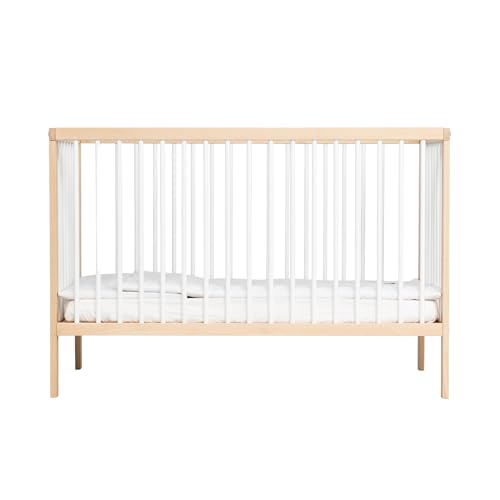
When it concerns developing a cozy and safe sleeping environment for babies and young children, cot beds are an essential furniture piece. Nevertheless, with the myriad of choices offered on the marketplace, discovering an economical cot bed that combines safety, convenience, and design can be quite the obstacle. In this extensive guide, we will explore the world of inexpensive cot beds, highlighting the very Best cot for newborn options, functions to consider, and even answering some often asked questions to help moms and dads make informed decisions.
Why Choose a Cot Bed?
Cot beds serve a double purpose; they are designed to offer a safe sleep space for infants and can quickly shift into a toddler bed as your child grows. This versatility makes them a practical choice for parents aiming to purchase lasting furniture. In addition to conserving money, cot beds typically boast extra functions that enhance their performance, such as adjustable bed mattress heights and detachable sides.
Functions to Consider When Buying Cheap Cot Beds
When looking for a cot bed on a budget plan, it’s crucial to think about numerous essential features to guarantee the safety and convenience of your kid. Here are some essential elements to bear in mind:
| Feature | Description |
|---|---|
| Security Standards | Guarantee the cot bed complies with security regulations (e.g., EN 716, ASTM). |
| Product | Try to find durable materials like solid wood or non-toxic MDF. |
| Adjustable Mattress Height | Enables you to change the height as your baby grows, providing safety and accessibility. |
| Conversion Options | Examine if the cot bed can be transformed into a young child bed or daybed. |
| Style & & Aesthetics | Choose a style that matches your nursery while remaining functional. |
| Ease of Assembly | Some cot beds include intricate assembly processes; try to find simpler alternatives. |
| Mattress Compatibility | Make certain the cot bed fits basic mattresses, guaranteeing a tight fit. |
Leading Affordable Cot Beds on the marketplace
To assist moms and dads in their quest for the best rated cribs Cot Newborn (Clapp-Hollis-3.Blogbright.Net) cot bed, we have actually compiled a list of some of the best baby cots inexpensive cot beds readily available today. These choices offer a blend of security, comfort, and worth for money.
1. IKEA SUNDVIK Cot Bed
| Feature | Details |
|---|---|
| Rate | ₤ 199 |
| Product | Solid wood, non-toxic paint |
| Adjustable Mattress Height | Yes |
| Conversion Options | Converts to a young child bed |
| Security Standards | Complies with EN 716 |
The IKEA SUNDVIK cot bed includes a timeless style and is made from sustainable products, making it an environment-friendly choice. Its adjustable bed mattress height offers added benefit for parents, and it transitions quickly as your kid grows.
2. Graco Convertible Crib
| Function | Details |
|---|---|
| Cost | ₤ 150 |
| Material | Steel, solid wood |
| Adjustable Mattress Height | Yes |
| Conversion Options | Converts to a toddler bed |
| Safety Standards | Fulfills ASTM requirements |
The Graco Convertible Crib is not just budget friendly but likewise uses a smooth design appropriate for any nursery. With its robust building and construction and adjustable functions, it’s an exceptional choice for budget-conscious moms and dads.
3. Tidy Books Bunk Bed Cot
| Function | Information |
|---|---|
| Rate | ₤ 230 |
| Product | Plywood, non-toxic surface |
| Adjustable Mattress Height | Yes |
| Conversion Options | Converts to a young child bed |
| Security Standards | Complies with EN 716 |
This distinctively created cot bed not just acts as a sleeping area however also incorporates storage for bedtime stories. With a concentrate on both function and visual appeals, the Tidy Books Bunk Bed Cot is ideal for any contemporary nursery.
4. Babyletto Hudson 3-in-1 Convertible Crib
| Feature | Details |
|---|---|
| Rate | ₤ 299 |
| Product | Environment-friendly New Zealand pine |
| Adjustable Mattress Height | Yes |
| Conversion Options | Converts to a toddler bed |
| Safety Standards | Meets US safety requirements |
Though a little above the budget variety, the Babyletto Hudson provides extraordinary value with its trendy design and eco-friendly products. Its flexibility as a convertible crib makes it a preferred among parents.
Caring for Your Cot Bed
To extend the life of your cot bed and ensure it remains safe for your child, follow these care ideas:
- Regular Inspection: Check for loose screws or damaged parts routinely.
- Tidiness: Wipe down surface areas with a wet cloth and mild cleaning agent.
- Prevent Harsh Chemicals: Only usage non-toxic cleaning products to keep a safe environment.
- Bed mattress Care: Ensure the mattress is firm and fits firmly in the cot bed to avoid spaces.
Frequently Asked Questions (FAQs)
1. What age should my child transition from a cot bed?
A lot of kids transition from a cot bed between 2 to 3 years old, depending upon their advancement and size. Look for indications of preparedness, such as climbing out of the cot.
2. Do I need a special bed mattress for a cot bed?
Typically, cot beds utilize standard-sized bed mattress, however it’s essential to examine the dimensions of the cot bed before buying to make sure a snug fit.
3. The length of time can my kid use a cot bed?
Cot beds are developed to be utilized for several years, normally accommodating kids up until they reach around 5 years old. The lifespan may differ based on the specific model and your child’s growth.
4. Are inexpensive cot beds safe?
Yes, lots of affordable cot beds meet stringent security standards. Always search for certifications such as EN 716 or ASTM to make sure the crib’s security.
Finding a cheap baby cots cot bed doesn’t imply sacrificing security and quality. With the ideal knowledge and resources, parents can discover economical options that supply convenience and durability for their little ones. By thinking about vital features and checking out premier models, moms and dads can make an informed decision that fulfills both their budget plan and their kid’s requirements. Whether it’s a simple design or one with extra functions, the ideal low-cost cot bed is out there waiting to be found.
