

Bikes Exercise For Sale
Add a reviewOverview
-
Founded Date April 21, 1995
-
Sectors Construction
-
Posted Jobs 0
-
Viewed 4

Company Description
The 10 Worst Exercise Cycles Fails Of All Time Could Have Been Prevented
The Ultimate Guide to Exercise Cycles: A Comprehensive Overview
Exercise cycles, typically referred to as stationary cycle for exercise bicycles, have ended up being a staple in both home and health club fitness routines. With the increase of at-home exercises and the increasing significance put on cardiovascular health, exercise cycles offer an exceptional way to integrate effective cardio into one’s daily regimen. This post digs deep into the types, benefits, functions, and factors to consider of exercise cycles, making it a vital read for anybody seeking to enhance their physical fitness journey.
Table of Contents
- Kinds Of Exercise Cycles
- 1.1 Upright Bikes
- 1.2 Recumbent Bikes
- 1.3 Spin Bikes
- 1.4 Folding Bikes
- Benefits of Using Exercise Cycles
- Key Features to Consider
- Exercise Cycle Workouts
- Frequently Asked Questions (FAQs)
1. Types of Exercise Cycles
1.1 Upright Bikes
Upright bikes look like conventional bicycles, using an interesting method to exercise. The rider sits upright, which triggers the core and engages the leg exercise machine muscles more extremely.
Pros
- Imitates the feel of outdoor biking.
- Effective for a range of physical fitness levels.
Cons
- May be less comfy for long sessions without a padded seat.
1.2 Recumbent Bikes
Recumbent bikes have a bigger seat and a reclined position, which positions less stress on the back and joints.
Pros
- Comfy seating, minimizing the risk of injury.
- Suitable for rehabilitation or those with mobility problems.
Cons
- Less intense core workout compared to upright bikes.
1.3 Spin Bikes
Designed for high-intensity workouts, spin bikes prevail in group physical fitness classes. They have a heavy flywheel that provides a smooth riding experience.
Pros
- Suitable for high-intensity period training (HIIT).
- Adjustable resistance levels for different exercises.
Cons
- Can be intimidating for beginners due to the strength.
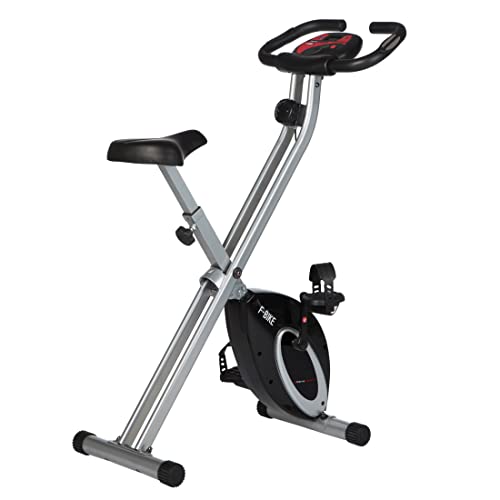
1.4 Folding Bikes
Folding bikes are compact and best for those with minimal area. They can be quickly kept away after use.
Pros
- Space-saving design.
- Normally light-weight and portable.
Cons
- May sacrifice toughness compared to full-sized models.
| Type | Pros | Cons |
|---|---|---|
| Upright Bike | Simulates outdoor cycling, efficient for all | May trigger pain for long trips |
| Recumbent Bike | Comfortable, ideal for rehabilitation | Less intense core exercise |
| Spin Bike | Appropriate for HIIT, adjustable resistance | Can be intimidating for beginners |
| Folding Bike | Space-saving, light-weight | May sacrifice durability |
2. Advantages of Using Exercise Cycles
Exercise cycles provide a range of health benefits that deal with different physical fitness goals and lifestyles:
- Cardiovascular Health: Regular biking improves heart health by enhancing circulation and decreasing high blood pressure.
- Weight-loss: Cycling help in burning calories, making it an efficient kind of exercise for weight management.
- Low Impact: Unlike running or high-impact aerobics, biking is gentler on the joints, making it ideal for people of all ages.
- Muscle Strengthening: Cycling strengthens the lower body, focusing on muscles in the legs, glutes, and core.
- Convenience: Exercise cycles are quickly available, permitting for workouts in your home despite weather condition or time constraints.
- Mental Health: Regular exercise can improve state of mind and decrease symptoms of anxiety and anxiety.
3. Key Features to Consider
When picking an exercise cycle, it’s necessary to consider different functions that can enhance the workout experience:
| Feature | Description |
|---|---|
| Resistance Levels | Adjustable resistance allows for diverse workouts. |
| Display Console | Tracks metrics like time, range, speed, and calories burned. |
| Comfort | Cushioned seats and ergonomic designs increase convenience during exercises. |
| Adjustability | Height and seat adjustments make sure an appropriate fit. |
| Mobility | Folding systems for easy storage are advantageous for home use. |
| User Programs | Pre-programmed workouts can help users achieve their physical fitness goals. |
4. Exercise Cycle Workouts
Integrating numerous exercises can keep biking sessions engaging and reliable. Here are a few popular exercise types:
4.1 Steady-State Cycling
A moderate speed preserved for a prolonged period, ideal for endurance structure.
4.2 Interval Training
Rotating between high-intensity bursts and healing periods boosts cardiovascular fitness and burns more calories in less time.
4.3 Hill Climbing
Using resistance to imitate uphill biking enhances leg exercise machine muscles and includes intensity.
4.4 Recovery Rides
Low-intensity sessions allow muscles to recover while maintaining fitness levels.
4.5 Structured Programs
Numerous cycles come with integrated programs developed to target specific fitness goals, from weight loss to endurance structure.
5. Frequently Asked Questions (FAQs)
Q1: How frequently should I bike on an exercise cycle?
It is generally recommended to aim for at least 150 minutes of moderate-intensity exercise each week, which can be attained through cycling sessions of 30 minutes a day, five times a week.
Q2: Can exercise cycles help with weight loss?
Yes! Routine biking integrated with a balanced diet plan can successfully aid in weight loss by burning calories.
Q3: Are exercise cycles suitable for beginners?
Absolutely. Exercise cycles can be adjusted for different fitness levels, making them appropriate for newbies to advanced users.
Q4: How do I keep my exercise cycle?
Routine upkeep involves keeping the bike clean, looking for loose screws and parts, and monitoring the resistance mechanism for smooth operation.
Q5: Can I see TV while utilizing an exercise cycle?
Yes! Many individuals discover that watching television or listening to music enhances their workout experience. Simply make sure that your setup enables safety and convenience.
In conclusion, exercise cycles are a versatile and beneficial addition to any physical fitness regimen. Whether one selects an upright, recumbent, spin, or folding bike, the health advantages are manifold. By comprehending the different types, advantages, and features of exercise cycles, people can make informed options that align with their physical fitness objectives. With the choice to cycle from the convenience of home exercise equipment, accomplishing fitness has never been more available.
