

Best 8mph Mobility Scooters Uk
Add a reviewOverview
-
Founded Date April 17, 2013
-
Sectors Sales
-
Posted Jobs 0
-
Viewed 3

Company Description
15 Terms That Everyone Is In The Mobility Scooter UK Industry Should Know
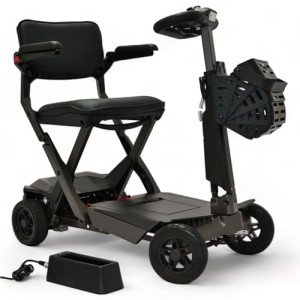
The Comprehensive Guide to Buying a Mobility Scooter in the UK
Mobility scooters have become increasingly popular in the UK, providing those with mobility challenges a means to maintain self-reliance and mobility. Whether you’re considering your very first purchase or aiming to upgrade, comprehending your alternatives can make the process smoother, more informed, and ultimately more gratifying.
What is a Mobility Scooter?
A mobility scooter is a battery-powered car developed to help people with minimal mobility. They are available in different designs, sizes, and functionalities, catering to various needs and preferences. The primary function of a mobility scooter is to facilitate simple and safe movement, whether for short journeys around the home or longer journeys in the neighborhood.
Types of Mobility Scooters
When wanting to buy a mobility scooter in the UK, it’s necessary to comprehend the different types offered. Below is a breakdown of the three main categories:
| Type | Description | Best For |
|---|---|---|
| Class 2 Scooters | Designed for use on pavements and in pedestrian areas. Normally limited to 4mph. | Short trips, regional use |
| Class 3 Scooters | Appropriate for both pavements and roadways, they can travel as much as 8mph. | Longer journeys, more flexible usage |
| Portable Scooters | Lightweight and easy to dismantle for transport; frequently Class 2. | Travel, taking on public transport |
Secret Features to Consider
When acquiring a mobility scooter, specific functions must be considered to ensure it satisfies your requirements. Here is a list of factors to consider:
-
Weight Capacity: Ensure that the scooter can easily accommodate the weight of the user. A lot of scooters have a weight limitation ranging from 114kg (250lbs) to 180kg (397lbs).
-
Variety: This is the distance the scooter can travel on a single charge. Varieties generally differ from 10 to 30 miles depending on the model and battery capacity.
-
Top Speed: Class 2 scooters are limited to 4mph for safe use on pavements, whereas Class 3 scooters can reach speeds of 8mph on roadways.
-
Maneuverability: Consider the turning radius, particularly if you plan to use the scooter inside your home or in smaller spaces. A tight turning radius is generally around 1.2 meters.
-
Convenience: Look for adjustable seating, armrests, and controls that suit the user’s requirements. Some scooters come with extra cushioning or padded seats for increased convenience.
-
Weather Resistance: If the scooter will be used outdoors, it’s a good idea to think about weather-resistant functions such as covered controls and water resistant seating.
-
Storage Options: Some designs come with baskets or under-seat storage, which can be practical for bring individual products or shopping.
Cost of Mobility Scooters
The cost of mobility scooters can vary significantly based on the type, brand, and features included. Here is a basic overview of prices:
| Type | Price Range |
|---|---|
| Class 2 Scooters | ₤ 500 – ₤ 1,500 |
| Class 3 Scooters | ₤ 1,200 – ₤ 4,500 |
| Portable Scooters | ₤ 400 – ₤ 2,000 |
Note: Prices might vary based upon the producer, retailer, and any extra functions selected.
Where to Buy a Mobility Scooter
Mobility scooters can be bought from different sources, including:
-
Specialist Mobility Stores: These merchants typically have a large selection of scooters and educated personnel to assist you.
-
Shop Online For Motorized Mobility Scooters Retailers: Websites like Amazon and dedicated mobility scooter sites offer comprehensive choices, often at competitive prices.
-
Pre-owned Markets: Buying a used scooter can be a cost-efficient choice, however ensure it’s in great condition and has been properly maintained.
-
Local Authorities/Charities: Some regional councils or charities may offer scooter leasings or sales at lowered prices.
Frequently Asked Questions (FAQ)
1. Do I need a driving license to use a mobility scooter?
No, you do not need a driving license to utilize a mobility scooter. Nevertheless, it’s suggested to acquaint yourself with roadway security rules, particularly for Class 3 scooters.
2. Are mobility scooters covered by insurance coverage?
While mobility scooters are not legally required to have insurance coverage, it is highly recommended to think about third-party liability insurance coverage for protection in case of accidents or damage.
3. What type of battery do mobility scooters use?
Many mobility scooters utilize lead-acid or lithium-ion batteries. Lithium-ion batteries tend to weigh less and have a longer life-span.
4. Can I utilize my mobility scooter on public transport?
Yes, numerous public transport systems in the UK enable mobility scooters. Nevertheless, you must talk to your regional transportation company for particular regulations.
Buying a mobility scooter can significantly boost the quality of life for people with mobility concerns, providing liberty and independence. By understanding the different types, features, and choices readily available, individuals can make educated decisions that best fit their needs. Always remember to think about functionality and convenience when selecting the ideal scooter, and do not be reluctant to ask for professional suggestions to direct your purchase. Equipped with the right information, discovering the best mobility scooter in the UK can be a smooth journey.
