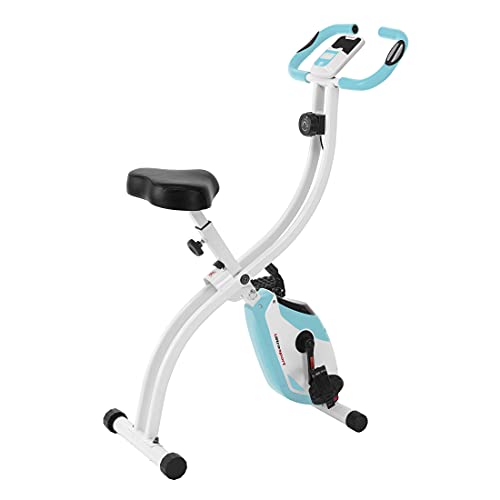
Good Exercise Bike
Add a reviewOverview
-
Founded Date April 14, 1994
-
Sectors Plastic Injection
-
Posted Jobs 0
-
Viewed 15

Company Description
How To Tell If You’re Prepared To Exercise Bike Sale
Unlock Your Fitness Potential: The Ultimate Guide to Exercise Bike Sales
In the last few years, the need for home physical fitness equipment has actually risen, and amongst the most sought-after items is the exercise bike. This flexible piece of devices provides an effective cardio exercise, making it a favorite for both physical fitness lovers and casual users alike. With a variety of alternatives readily available, finding the best stationary bicycle at the best static cycle for exercise cost can be frustrating. That’s where exercise bike sales enter into play. This blog site post will explore everything you require to understand to make an informed purchase throughout an exercise bike sale, including tips for selecting the ideal bike, the types readily available, and answers to frequently asked questions.
Why Choose an Exercise Bike?
good Exercise Bike bikes provide a low-impact exercise cycle for home, making them an excellent option for people of all physical fitness levels. Here are some crucial advantages:
- Cardiovascular Health: Regular cycling helps improve heart health and lung capacity.
- Weight reduction: Cycling burns calories and can assist in weight management.
- Muscle Toning: Engaging both the upper and lower body, a stationary bicycle can tone muscles without the harsh impact associated with running.
- Convenience: Exercising in your home eliminates travel time to a fitness center, making it easier to fit physical fitness into a hectic schedule.
Kinds Of Exercise Bikes
When shopping throughout a stationary bicycle sale, it is important to know the different types offered. Here’s a breakdown:
| Type of Bike | Description | Perfect For |
|---|---|---|
| Upright Bike | Provides a similar position to standard biking with a focus on the lower body. | Those searching for strength and full-body exercise. |
| Recumbent Bike | Functions a bigger seat and back-rest, permitting for a reclined position during workouts. | Individuals with back problems or searching for comfort. |
| Spin Bike | Created for high-intensity training, allowing for standing and sprinting. | Major exercise bicycle For sale cyclists and HIIT lovers. |
| Hybrid Bike | Integrates components of upright and recumbent designs, accommodating a range of workouts. | Those who want versatile options. |
Factors to Consider When Buying an Exercise Bike
To ensure you make a smart investment throughout an exercise bike sale, think about the following elements:
- Comfort: Look for an adjustable seat and handlebars to accommodate different physique.
- Resistance Levels: A bike with adjustable resistance will permit you to vary your workout strength.
- Size and Space: Measure your workout area to guarantee the bike fits well and has the needed space for motion.
- Console Features: Some bikes come with innovative consoles offering metrics like heart rate, speed, and calories burned.
- Budget plan: Determine your spending plan beforehand to avoid overspending throughout sales.
How to Take Advantage of Exercise Bike Sales
Exercise bike sales can use considerable cost savings, but knowing how to optimize your shopping experience can cause better deals. Here are some tips:
- Compare Prices: Use online tools to discover and compare costs throughout multiple merchants.
- Timing: Sales typically happen throughout vacations and unique celebrations, such as New Year’s, Black Friday, and Labor Day.
- Check out Reviews: Customer evaluations provide valuable insights into the bike’s performance and durability.
- Inspect Warranties: A great warranty can conserve you from future repair costs.
- Negotiate: Don’t be reluctant to ask merchants for discounts or cost matches, specifically throughout clearance sales.
Often Asked Questions (FAQs)
1. Just how much should I anticipate to invest in an exercise bike?
Prices can vary substantially based on brand name, features, and type. Spending plan models can begin around ₤ 200, while high-end spin bikes can go upwards of ₤ 2000. Look for quality bikes within your spending plan throughout sales.
2. Is it necessary to buy a bike with advanced functions?
While sophisticated functions like Bluetooth connectivity and interactive display screen screens can boost the experience, they are not important. Beginners may prefer simpler designs that concentrate on the fundamentals.
3. Are stationary bicycle suitable for all fitness levels?
Yes, stationary bike exercise bicycle can accommodate a large range of fitness levels. Try to find bikes with adjustable resistance and seating choices to suit specific requirements.
4. How can I keep my exercise bike?
Regular maintenance is essential to longevity. Clean the bike after use, tighten loose parts, and sometimes inspect for wear and tear on the seat and pedals.
5. How typically should I utilize a stationary bicycle for best results?
For optimal outcomes, aim for a minimum of 150 minutes of moderate aerobic activity or 75 minutes of energetic activity weekly, spread out over 3 to 5 days.
Exercise bike sales present an exceptional chance for individuals to purchase their fitness and health journey. By comprehending the types of bikes available, aspects to think about throughout your purchase, and how to optimize sales, you can find a bike that perfectly fits your lifestyle and budget plan. Prepare yourself to pedal your way to much better health and wellness– your ideal exercise bike might just be a sale away!